Europe
Germany travel guide
Local essentials, places to discover and healthcare information for your journey.
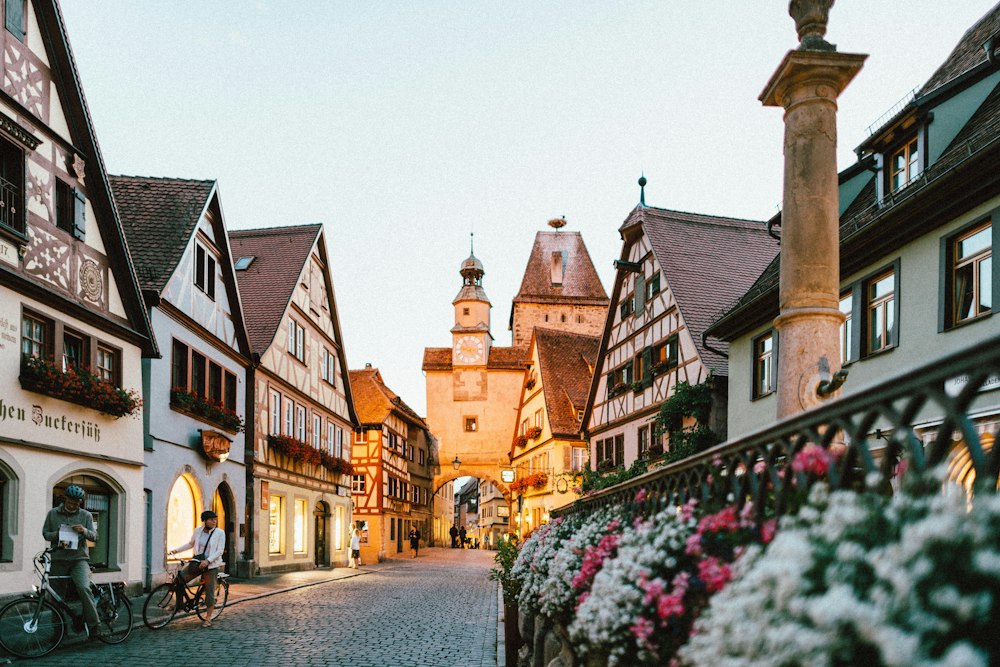
Club reference information, not live advice. No verified review date is recorded for this destination. Entry rules, costs and services can change. Confirm requirements with official immigration, embassy and local service sources before travelling.
Local essentials
- Language
- German
- Currency
- Euro
- Time zone
- UTC+1 (CET), UTC+2 (CEST Mar-Oct)
- Getting around
- Extensive S-Bahn, U-Bahn, tram and bus networks in all cities. Deutsche Bahn intercity (ICE). Deutschland-Ticket for unlimited regional travel.
- Arrival
- Frankfurt: S-Bahn to city 15 min. Berlin BER: FEX train to Hauptbahnhof 30 min.
- Payments
- Germany is more cash-friendly than you'd expect. Many restaurants, bakeries and smaller shops are CASH ONLY. Always carry €50-100.
- Power plugs
- Type C / Type F (Schuko)
Places to discover
- Attend Oktoberfest in Munich for the world's largest beer festival
- Explore Berlin's history: Brandenburg Gate, East Side Gallery, Museum Island
- Drive the Romantic Road through medieval towns and Neuschwanstein Castle
- Experience Christmas markets (Christkindlmarkt) in Nuremberg or Cologne
- Hike or ski in the Bavarian Alps and the Black Forest
Entry and travel documents
Requirements depend on nationality, passport, residence and transit stops. Check the destination's official immigration or embassy advice. The items below are existing club preparation notes, not a confirmed entry checklist.
- EHIC/GHIC (EU/EEA visitors - covers public care)
- Proof of health insurance (mandatory for all visa types)
- Gesundheitskarte (health insurance card, once enrolled)
- Schengen certificate for controlled medications
- Anmeldung confirmation (address registration, within 14 days of arrival)
Healthcare and emergency contacts
Emergency numbers: 112
Call 112 for life-threatening emergencies. Call 116 117 (Ärztlicher Bereitschaftsdienst) for urgent but non-life-threatening issues - available evenings, nights, weekends. Notaufnahme (ER) is open 24/7 at all major hospitals.
Germany operates a dual-track mandatory insurance system: public statutory insurance (GKV, ~87% of population) and private insurance (PKV, ~13%). The system is among the best-funded in Europe with short wait times and high-quality facilities. Patients have free choice of doctor and direct specialist access without referral. However, the system is designed for insured residents - uninsured visitors face steep out-of-pocket costs. Call 116 117 for non-emergency urgent medical help.
Seeing a Doctor
No referral needed. Can book directly with any GP (Hausarzt) or specialist. Private patients often get faster appointments.
Recorded cost reference: With insurance: no charge. Without insurance: €50-100 per GP visit, €100-300+ for specialists.
Pharmacies and medication
Insured patients pay €5-10 copay per prescription. Children under 18: free. Without insurance, medications cost full pharmacy price (often €10-80+ per item).
Practical tips
- Always carry your Gesundheitskarte (insurance card) - doctors cannot treat you without it
- Register a Hausarzt (family doctor) early - they coordinate referrals and manage your records
- Call 116 117 for urgent non-emergency care evenings and weekends - they can arrange same-day appointments
- Use Jameda or Doctolib apps to find doctors with available slots and read patient reviews
- Pharmacies (Apotheke, red "A" sign) are expert advisors - visit them first for minor ailments
- Find the nearest 24/7 emergency pharmacy at apotheken.de or call 0800 00 22 833
Source references
These are source names recorded in the existing profile, not independently checked links or proof of a recent review.
- Federal Ministry of Health (BMG)
- GKV-Spitzenverband
- CDC Travelers Health 2025
- Robert Koch Institute (RKI)
- KBV (Kassenärztliche Bundesvereinigung)