Europe
Italy travel guide
Local essentials, places to discover and healthcare information for your journey.
Club reference information, not live advice. No verified review date is recorded for this destination. Entry rules, costs and services can change. Confirm requirements with official immigration, embassy and local service sources before travelling.
Local essentials
- Language
- Italian
- Currency
- Euro
- Time zone
- UTC+1 (CET), UTC+2 (CEST Mar-Oct)
- Getting around
- Rome and Milan have metro systems. Trenitalia/Italo high-speed trains. Extensive bus networks. Ferries to islands.
- Arrival
- Fiumicino: Leonardo Express train to Termini 32 min. Malpensa Express 50 min.
- Payments
- Cards increasingly accepted but Italy still uses cash extensively. Always carry €50-100. Small towns and trattorias often cash-only.
- Power plugs
- Type C / Type F / Type L
Places to discover
- Explore Rome's ancient ruins: the Colosseum, Roman Forum, and Pantheon
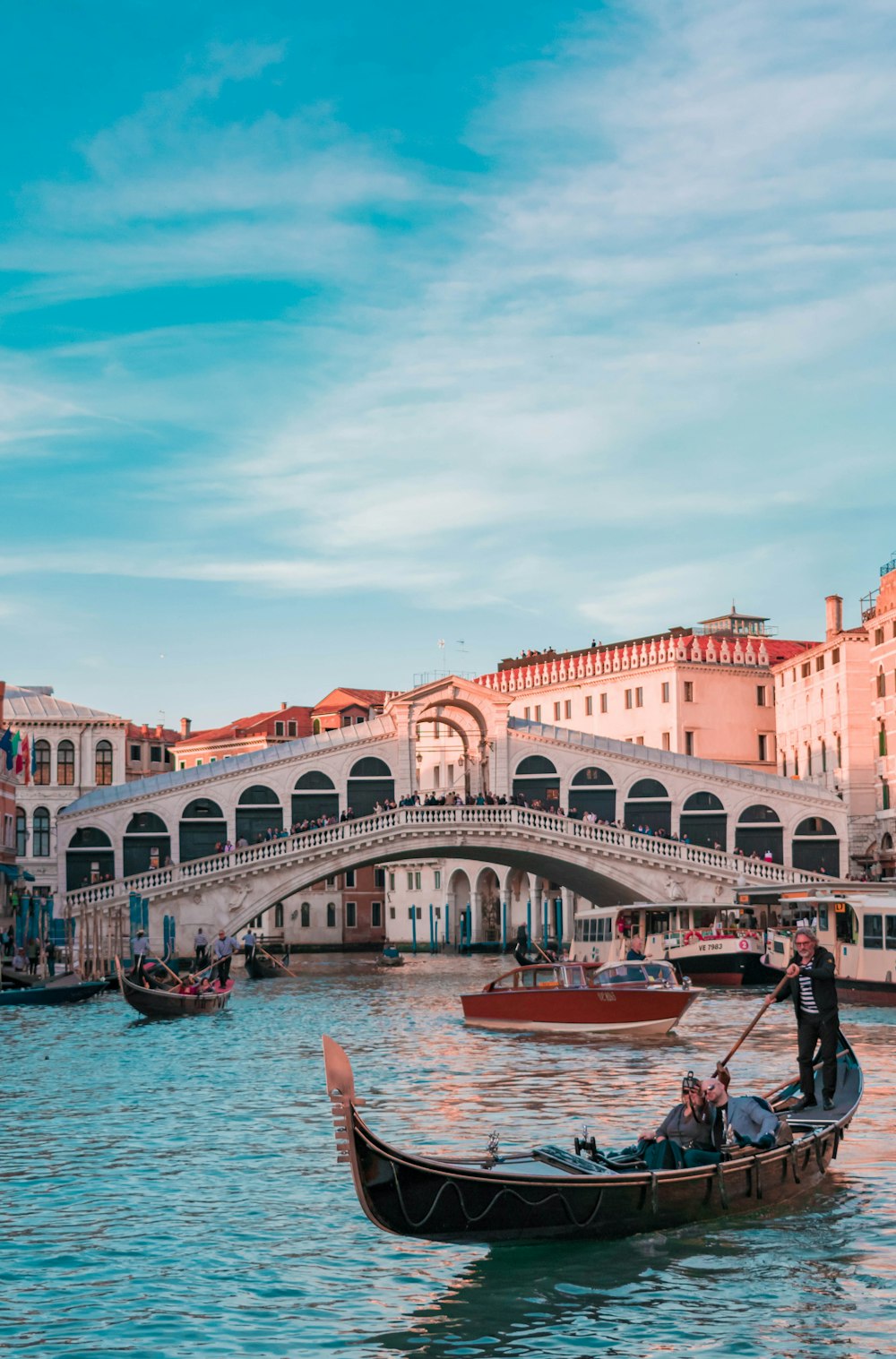
- Take a gondola ride in Venice and visit the islands of Murano and Burano
- Eat authentic Neapolitan pizza in Naples and gelato everywhere
- Tour the Tuscan countryside: Florence, Siena, and the Chianti vineyards
- Hike the Cinque Terre coastal trail between colourful villages
Entry and travel documents
Requirements depend on nationality, passport, residence and transit stops. Check the destination's official immigration or embassy advice. The items below are existing club preparation notes, not a confirmed entry checklist.
- EHIC/GHIC card (EU/EEA visitors - covers public care including Guardia Medica)
- Travel insurance with medical repatriation cover (non-EU visitors)
- Codice Fiscale (Italian tax code - essential for healthcare registration, bank accounts, contracts)
- Permesso di Soggiorno (residence permit - for stays over 90 days)
- Passport and visa
- Doctor's letter for controlled medications (ideally in Italian or English)
Healthcare and emergency contacts
Emergency numbers: 112 / 118
Call 112 (general emergency, NUE) or 118 (medical emergency, being merged into 112). Pronto Soccorso (ER) triages by colour code: red (immediate), yellow (urgent), green (minor), white (non-urgent). White code visits incur a copay - use Guardia Medica instead for non-emergencies.
Italy's Servizio Sanitario Nazionale (SSN) provides universal healthcare funded by national and regional taxation. Healthcare is managed by 20 regions and 2 autonomous provinces, resulting in dramatic quality differences - northern regions (Lombardy, Emilia-Romagna, Veneto) offer world-class care, while southern regions (Calabria, Campania, Sicily) suffer from underfunding, staff shortages, and longer waits. Visitors can access Guardia Medica (out-of-hours GP service) and seasonal Tourist Medical Services in resort areas. Real-world ER waits are routinely 4-8+ hours in major cities - among the longest in Western Europe.
Seeing a Doctor
Residents register with a Medico di Medicina Generale (family GP). Visitors use Guardia Medica (out-of-hours/visitor GP service) or seasonal Servizio di Medicina Turistica in resort areas. Specialists require GP referral in the public system.
Recorded cost reference: Guardia Medica: free for EU/EHIC holders, €15-25 for others. Private GP: €80-150. Private specialist: €100-250.
Pharmacies and medication
SSN classifies medications: Class A (essential, free or €1-4 copay by region), Class C (non-essential, full price). Ticket sanitario (healthcare copay) varies by region - €10-46 for specialist visits. Without insurance/SSN, full pharmacy prices apply.
Practical tips
- Get a Codice Fiscale immediately - apply at Agenzia delle Entrate or request from your Italian consulate before arrival
- Use Guardia Medica for non-emergency medical needs as a visitor - available evenings, nights, weekends, and holidays in every district
- Seasonal Tourist Medical Services (Servizio di Medicina Turistica) operate in resort areas during summer - ask your hotel or local ASL
- Pharmacies (green cross sign) are excellent first stops for minor ailments - pharmacists are highly trained and accessible
- Find the nearest 24/7 duty pharmacy at farmacieaperte.it or check the rota displayed outside any pharmacy
- Learn basic Italian medical phrases - "Ho bisogno di un medico" (I need a doctor), "Mi fa male qui" (It hurts here), "Sono allergico a..." (I'm allergic to...)
Source references
These are source names recorded in the existing profile, not independently checked links or proof of a recent review.
- Italian Ministry of Health
- SSN Italy
- CDC Travelers Health 2025
- ISTAT Health Report 2024
- Agenas (National Agency for Regional Health Services)