Africa
Morocco travel guide
Local essentials, places to discover and healthcare information for your journey.
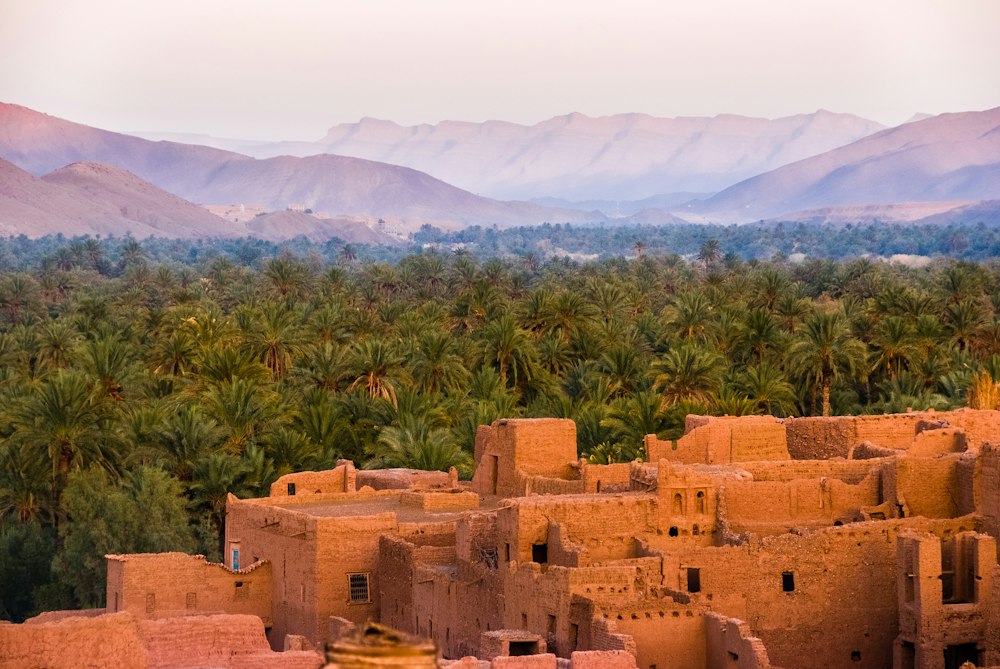
Club reference information, not live advice. No verified review date is recorded for this destination. Entry rules, costs and services can change. Confirm requirements with official immigration, embassy and local service sources before travelling.
Local essentials
- Language
- Darija (Moroccan Arabic - الدارجة)
- Currency
- Moroccan Dirham
- Time zone
- UTC+1 (permanent since 2018)
Places to discover
- Get lost in the medina of Marrakech and visit Jemaa el-Fnaa square
- Stay in a traditional riad with a rooftop terrace
- Ride camels and camp overnight in the Sahara Desert at Merzouga
- Explore the blue city of Chefchaouen
- Taste tagine, couscous, and mint tea throughout the country
Entry and travel documents
Requirements depend on nationality, passport, residence and transit stops. Check the destination's official immigration or embassy advice. The items below are existing club preparation notes, not a confirmed entry checklist.
- Passport with 6+ months validity (many nationalities get 90 days visa-free)
- Travel/medical insurance with evacuation coverage (essential for Atlas trekking)
- Prescription medications with doctor's letter (translated to French - very helpful)
- French translation of key medical conditions/allergies (critical if you don't speak French)
- Cash (MAD) for pharmacies and smaller clinics - cards accepted at major cliniques
- Euros or USD for emergency (widely exchangeable)
- Hotel/riad booking confirmation
- Copy of insurance details in French (for hospital admission)
Healthcare and emergency contacts
Emergency numbers: 150 (SAMU - ambulance) / 15 (SAMU alternative) / 19 (police - urban) / 177 (Gendarmerie - rural) / 141 (fire)
Call 150 for SAMU ambulance - French-speaking operators. In practice, taking a taxi to the nearest private clinique is often faster and more reliable. In Marrakech: Clinique Internationale (excellent, English-speaking staff available), Clinique Al Farabi, and CHU Mohammed VI. In Casablanca: Clinique Badr, Clinique Val d'Anfa, Hôpital Cheikh Khalifa (partnership with Gustave Roussy, France). In rural/mountain areas: healthcare is extremely limited - if trekking in the Atlas, ensure insurance covers helicopter evacuation. Grand Taxi (shared taxi) can be the fastest way to reach a city hospital from rural areas. Tourist hotels often have doctor-on-call arrangements.
Morocco has a healthcare system modelled on the French system - French is the language of medicine (all prescriptions, medical records, and clinical communication in French). The public system is improving but remains underfunded and overcrowded, especially in rural areas. CHU (Centre Hospitalier Universitaire) hospitals in Rabat, Casablanca, Marrakech, and Fez are the main public teaching hospitals. Private cliniques in major cities offer good to excellent care at affordable prices. Morocco is developing as a medical tourism destination, particularly for dental and cosmetic surgery. The country has a strong pharmacy tradition (pharmacies are often the first point of care). Healthcare quality varies dramatically between urban and rural areas - the Atlas Mountains, Sahara, and remote Rif areas have very limited medical infrastructure.
Seeing a Doctor
Private médecin généraliste (GP) clinics and cabinets médicaux widely available - walk-in or appointment. French is essential for medical interactions. In tourist areas (Marrakech medina, Essaouira, Fez), some doctors speak English. Specialist access direct without referral at private cliniques. Pharmacies are often the first point of care - pharmacists diagnose and treat many conditions (French pharmacy tradition). SOS Médecins (private house-call doctors) operate in Casablanca, Rabat, and Marrakech - call for a doctor to come to your hotel/riad.
Recorded cost reference: Private GP: MAD 150-300 ($15-30). Specialist: MAD 250-500 ($25-50). SOS Médecins house call: MAD 400-600 ($40-60). Dental check-up: MAD 200-400 ($20-40). Blood tests: MAD 100-400 ($10-40). MRI: MAD 1,500-3,000 ($150-300). Dental implant: MAD 3,000-6,000 ($300-600).
Pharmacies and medication
Very affordable - Morocco has a regulated pharmaceutical market with price controls. Common medications: MAD 10-50 ($1-5). Antibiotics: MAD 30-100 ($3-10). Pharmacies are everywhere (green cross sign - croix verte). Pharmacien de garde (duty pharmacist) system ensures 24/7 access. Pharmacists dispense many medications without prescription and provide advice (French pharmacy tradition). Moroccan generics are good quality - many manufactured locally under license.
Practical tips
- Clinique Internationale (Marrakech) - best private hospital for tourists. Some English-speaking staff.
- Hôpital Cheikh Khalifa (Casablanca) - partnership with France's Gustave Roussy. Excellent oncology and general care.
- SOS Médecins - call for a doctor to come to your hotel/riad. Available in Casablanca, Rabat, Marrakech. Speaks French, some English.
- LEARN THESE FRENCH PHRASES: "J'ai besoin d'un médecin" (I need a doctor), "J'ai mal ici" (It hurts here), "Je suis allergique à..." (I'm allergic to...)
- Download Google Translate with French offline pack - essential for pharmacy and clinic visits
- For Atlas trekking: ensure insurance covers helicopter evacuation, carry a comprehensive first-aid kit, and acclimatise to altitude
- Pharmacie de garde locations are posted on pharmacy doors and in local newspapers - ask your hotel/riad staff
- Drink bottled water, avoid tap water and ice in smaller restaurants - diarrhoeal illness common among tourists
- Haggling is expected for some private clinic prices outside major hospitals - ask about cash discounts
- In the Sahara/desert: carry oral rehydration salts, sun protection, and anti-scorpion precautions (shake out shoes in the morning)
Source references
These are source names recorded in the existing profile, not independently checked links or proof of a recent review.
- Moroccan Ministry of Health (Ministère de la Santé)
- WHO Morocco Country Office
- CDC Travelers' Health - Morocco 2024
- UK Foreign Office Travel Advice Morocco
- SOS Médecins Maroc
- Institut Pasteur du Maroc