Europe
Netherlands travel guide
Local essentials, places to discover and healthcare information for your journey.
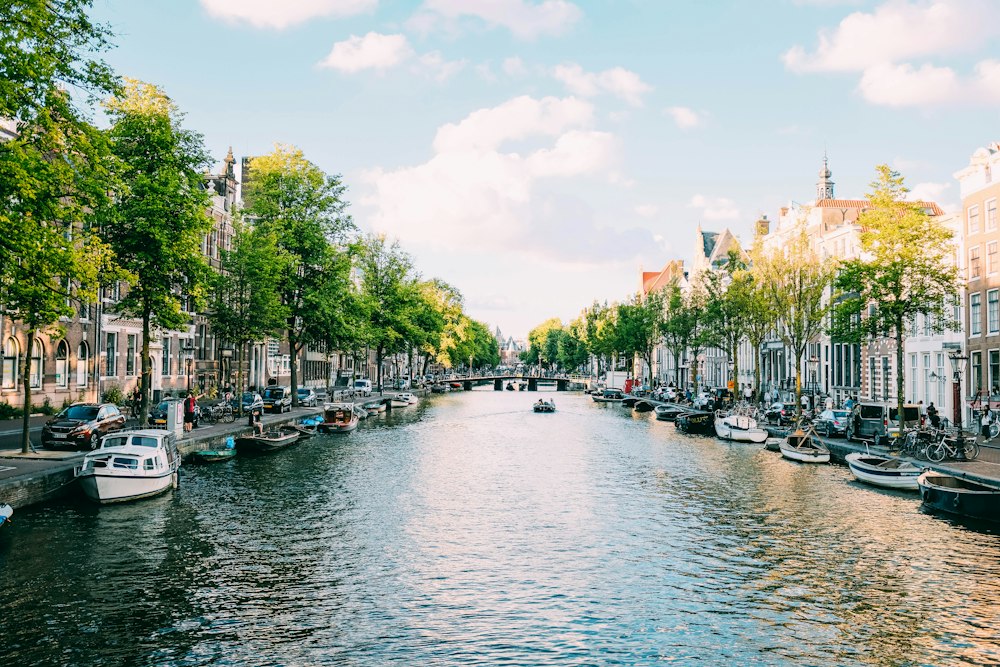
Club reference information, not live advice. No verified review date is recorded for this destination. Entry rules, costs and services can change. Confirm requirements with official immigration, embassy and local service sources before travelling.
Local essentials
- Language
- Dutch
- Currency
- Euro
- Time zone
- UTC+1 (CET), UTC+2 (CEST Mar-Oct)
- Getting around
- Excellent rail (NS), tram, metro and bus. OV-chipkaart needed for all public transport. Cycling is king - bike infrastructure is world-class.
- Arrival
- Schiphol: direct train to Amsterdam Centraal 15-18 min
- Payments
- The Netherlands is very card-friendly. Many places are card-ONLY (no cash). Maestro/debit widely used; credit cards not always accepted at smaller shops.
- Power plugs
- Type C / Type F
Places to discover
- Cycle through Amsterdam's canals and visit the Rijksmuseum and Van Gogh Museum
- See the tulip fields at Keukenhof Gardens (March to May)
- Explore the windmills of Kinderdijk (UNESCO World Heritage Site)
- Experience King's Day celebrations (April 27), the biggest street party
- Try stroopwafels, bitterballen, and raw herring from a street stall
Entry and travel documents
Requirements depend on nationality, passport, residence and transit stops. Check the destination's official immigration or embassy advice. The items below are existing club preparation notes, not a confirmed entry checklist.
- Health insurance proof (mandatory for all residents - must purchase within 4 months of arrival)
- EHIC/GHIC card (EU/EEA visitors - covers medically necessary public care)
- BSN (burgerservicenummer - citizen service number, essential for healthcare, banking, employment)
- Passport/ID
- DigiD (digital identity - needed for online government/healthcare services)
- Schengen certificate for controlled medications (apply via CAK)
- Doctor's letter for medications in English or Dutch
Healthcare and emergency contacts
Emergency numbers: 112
Call 112 for all emergencies. The spoedeisende hulp (ER/SEH) is for genuine emergencies only - non-urgent visits may be redirected to the huisartsenpost (HAP). For urgent but non-emergency issues, call your huisarts or HAP first - they triage by phone and may send you directly to a specialist, bypassing ER.
The Netherlands uses a mandatory private insurance model (Zorgverzekeringswet) - every resident must buy basic insurance from a private insurer (CZ, Zilveren Kruis, VGZ, Menzis). The huisarts (GP) is the strict gatekeeper to all specialist care - you cannot self-refer. After-hours care is handled by the huisartsenpost (HAP), a shared GP cooperative. The system is efficient and high-quality, but the mandatory deductible (eigen risico, €385/year in 2025) means your first healthcare costs are out-of-pocket even with insurance. Mental health has notoriously long waiting lists (3-12+ months). Dutch GPs are known for a conservative, "watchful waiting" approach - visitors used to more interventionist medicine may find this frustrating.
Seeing a Doctor
Register temporarily with a huisarts (GP) - most practices accept temporary patients. The huisarts is the strict gatekeeper: no specialist referrals without GP approval. After-hours and weekend care is provided by the huisartsenpost (HAP) - always call first, no walk-ins. Specialists are accessed only via GP referral letter (verwijsbrief).
Recorded cost reference: Insured residents: GP visits are free (outside deductible - huisarts is exempt from eigen risico). Uninsured/tourists: €30-70 per consultation. Private specialist: €100-250.
Pharmacies and medication
Insured: medications covered after €385 deductible (eigen risico). Preferentiebeleid (preferential policy) means insurers choose which brand of generic you receive - not always your usual brand. Visitors pay full price. Dutch pharmacies charge dispensing fees (€6-12 per prescription). Generic medications widely prescribed and expected.
Practical tips
- Register at the gemeente (municipality) and get your BSN within 5 days of arrival - without it you cannot register with a GP, open a bank account, or get insurance
- Register with a huisarts immediately - many practices have patient stops (patiëntenstop) so try multiple GPs
- Call the huisartsenpost (HAP) for urgent evening/weekend issues - do NOT go to ER for non-emergencies
- Almost all healthcare professionals speak excellent English - language is rarely a barrier
- Get a Schengen certificate from CAK before travelling with controlled medications
- Download the Thuisarts.nl app - evidence-based health advice endorsed by Dutch GPs, available in English
- Apply for DigiD (digital identity) - needed for Mijn Zorgverzekering (insurance portal) and government healthcare services
Source references
These are source names recorded in the existing profile, not independently checked links or proof of a recent review.
- Dutch Ministry of Health (VWS)
- Zorginstituut Nederland
- NZa (Dutch Healthcare Authority)
- CDC Travelers Health 2025
- RIVM (National Institute for Public Health)